
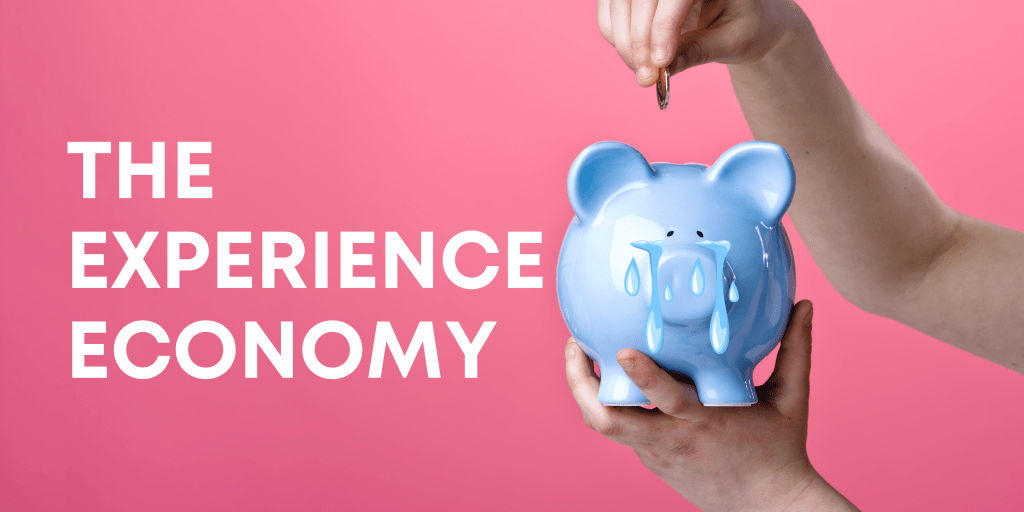
The Rise of the Economy Experience
These days, the marketplace is not just about products or services; it is about experiences. Think about a time you bought something and felt an actual connection to it. It does not have to be anything huge or life-changing. It could be something as simple as the warm, cozy feeling you get when grabbing a Starbucks Hot Cocoa during the holiday season.
Those feelings you have for your overpriced Starbucks are exactly what designers intended you to feel. Pine and Gilmore explain in Welcome to the Experience Economy that businesses succeed when they create experiences that stick with customers emotionally. That is where design comes in. It is not just about how something looks; it is about how it makes you feel.
When design is done thoughtfully, it can turn everyday products into experiences that resonate, build loyalty, and make users feel like what they are getting is truly valuable, even if it is something like hot cocoa you could have easily made at home and saved money on.
Emotional Design & Human Connection
From the start of the design process all the way to the very end designers need to consider how their work will make people feel. Donald Norman, in Designers and Users, emphasizes that products that create positive emotional reactions are more meaningful to users. Emotional design goes beyond aesthetics it shapes how people perceive and interact with a product, influencing satisfaction, engagement, and even loyalty.
Every detail, from the spacing between buttons to subtle feedback during an interaction, can contribute to delight or frustration. Interaction patterns, visual cues, and the flow of a user interface all play a role in shaping the emotional experience. By thinking about these elements intentionally, designers can create experiences that feel enjoyable and memorable.
Essentially, emotional design is about connecting with users on a human level, ensuring that every touchpoint reinforces positive feelings and strengthens the bond between the user and the product.
Mapping Emotions Across the Customer Journey

Understanding the sources of users’ emotions is crucial to designing experiences that truly resonate. Local Measure highlights that mapping the emotional journey allows designers to see where people feel delight, frustration, or confusion. By examining these touchpoints, businesses can make intentional choices that enhance positive feelings and reduce negative ones.
For example, a cafe might create delight through friendly greetings, thoughtful menu layouts, or visually appealing displays. At the same time, long waits or confusing ordering processes can lead to frustration even if the food itself is excellent. Emotional mapping takes these insights and turns them into practical strategies. Instead of guessing what might make a user happy or frustrated, designers can use this information to improve each step of the experience, creating interactions that feel smoother, more enjoyable, and more meaningful.
Color and Typography: Subtle Emotional Tools
Branding is more than just a logo or slogan it is a way to create emotional connections with a product. Designers can use aspects of branding to influence how people feel and perceive a brand.
Color and typography are two powerful tools in this process. Colors are one of the first things people notice about a product or brand, and they can communicate meaning instantly, even before a user reads a single word. Research from WordStream and The Next Web shows that colors can shape mood, with red creating excitement, blue conveying trust, and green signaling calm or growth. Choosing the right palette allows designers to subtly influence how users feel, reinforce brand identity, and set the emotional tone of the experience.
Typography can also work alongside color to communicate personality and tone. As HubSpot explains, serif fonts can feel traditional and trustworthy, sans-serif fonts feel modern and approachable, and script fonts can feel elegant or intimate. Intentional combinations of fonts and colors help strengthen the emotional connection between users and a product, turning everyday interactions into much more memorable experiences.
Personas and Empathy in Design
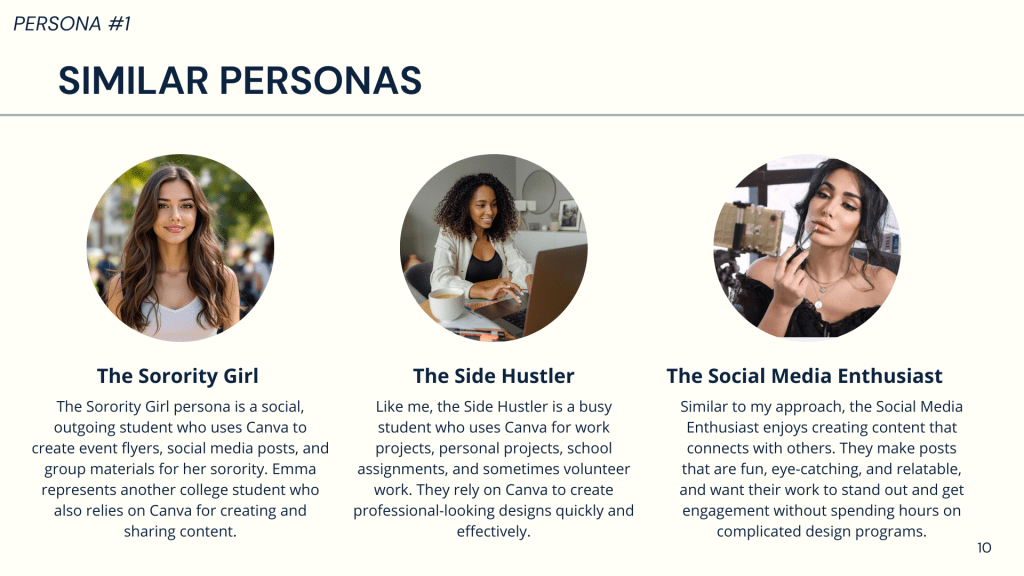
Another great tool for designers to utilize and understand to help connect with emotions is personas. Personas are detailed profiles that represent typical users, including their goals, frustrations, and motivations. According to NN/g, personas help design teams humanize their audience and make decisions with empathy rather than assumptions.
Referring to these personas throughout the design process ensures that every element from interactions to visuals aligns with the emotional needs of real users. This approach helps create experiences that feel relevant, engaging, and meaningful.
Guiding Emotion and Story Through Design
Design is not just about functionality it is also about guiding how users feel and experience a product. Emotional frameworks, like Plutchik’s Wheel of Emotions, give designers a tool to intentionally evoke feelings such as joy, trust, surprise, or anticipation. Understanding these emotional triggers allows designers to create experiences that resonate deeply and leave lasting impressions.
At the same time, storytelling in design guides users through a meaningful narrative. Every visual element, interaction, or piece of content contributes to the overall story and shapes how users interpret the experience. As Lupton (2017, p. 25) explains, design can act like storytelling, connecting users to a narrative that makes interactions memorable and engaging. Combining emotion-focused frameworks with storytelling allows designers to craft experiences that feel intentional, relevant, and deeply connected to the user.
This approach can be applied across all types of products and services, whether digital or physical. Even small design decisions, like the order of steps in a process or the way information is visually presented, can reinforce the story and strengthen the emotional connection users feel.
Emotional Value Pays Off
Design is more than how something looks or works it is about how it makes people feel. Thoughtful choices in storytelling, color, typography, and interactions can create experiences that resonate with users and leave a lasting impression.
When designers focus on emotional value, they are making an investment in loyalty, engagement, and meaningful connections. Even small details can turn everyday products into memorable experiences that people return to and remember.
 A Master in the Making
Leave a comment