
The Meaning in What We Carry
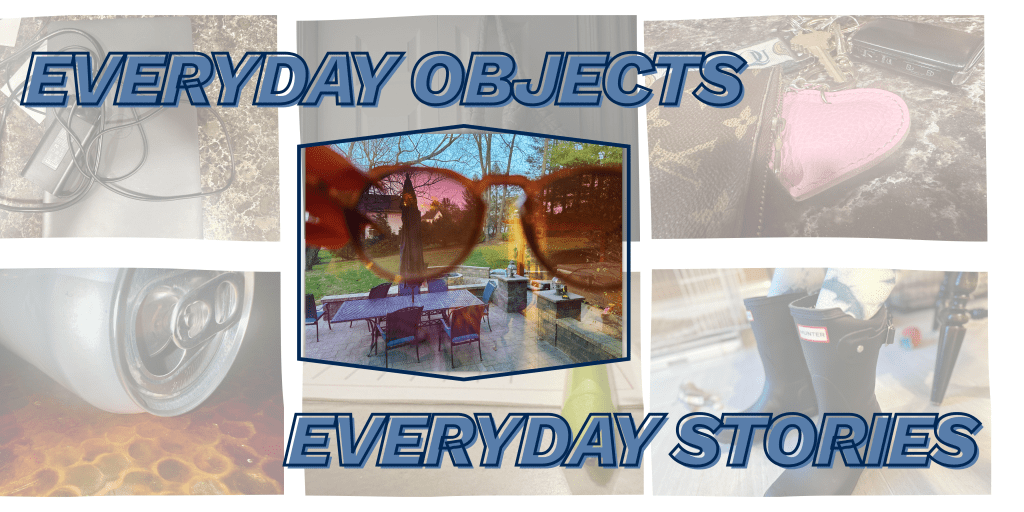
The objects we carry each day often tell a quiet story about who we are and how we move through the world. The bag that holds our essentials, keys that mark transitions, a notebook for thoughts, a soda can for a small pause, or sunglasses for habit and style, each item reflects purpose, routine, and personal rhythm. By looking closely at these belongings and how they shift, rest, or travel, everyday life patterns become visible. The photos below capture these items in motion and stillness, showing how much meaning can be found in the things we carry.
Everything in One Place
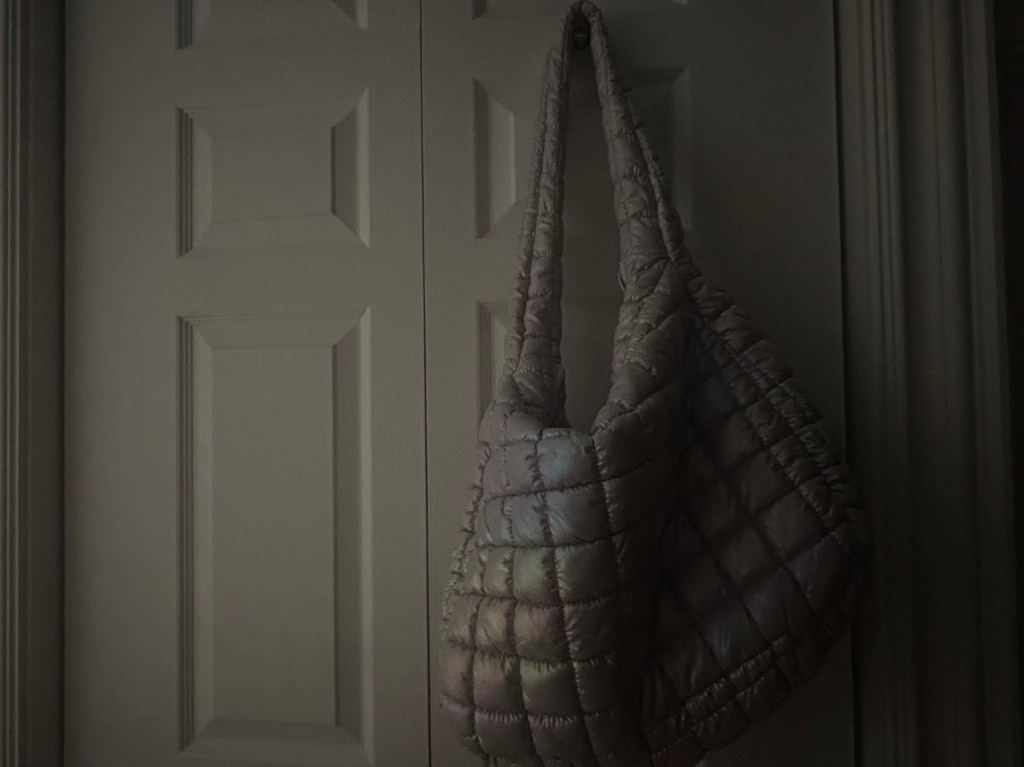
This bag is more than just a container for belongings. It travels with a person throughout the day, holding everything needed to stay organized, comfortable, and prepared. From the laptop and charger to snacks, notebooks, and personal items, it keeps the essentials close at hand.
Every zipper, pocket, and strap serves a purpose, making it easy to find what is needed quickly. The bag moves from home to school, work, or other spaces, quietly supporting daily routines and helping the person stay ready for whatever comes next.
What Moves You Forward
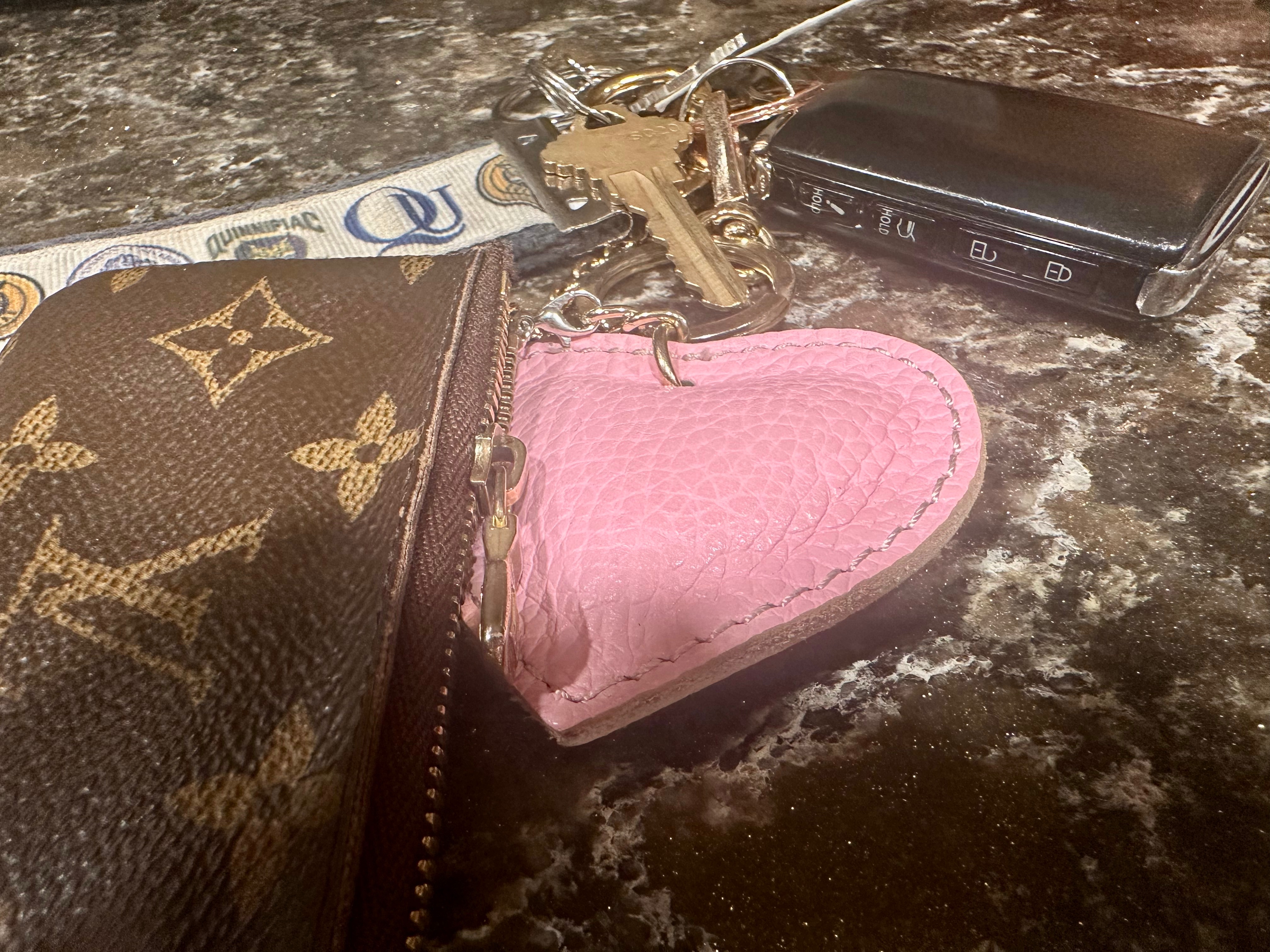
Keys may be small, but they play an essential role in daily life. They travel with a person from one place to another, unlocking doors, starting routines, and marking transitions between home, work, school, or other spaces. Keys are carried in pockets, set on tables, or hung on hooks, always ready to be used when needed. Even though they are simple objects, they help keep the day organized and make movement through different spaces smoother and more intentional.
Keeping Things Connected

The laptop is a constant companion, carrying the work, projects, and communication that structure a person’s day. Alongside it, the charger ensures that everything keeps moving without interruption, providing the power needed to stay connected and productive.
This combination travels from home to school, work, or other spaces, supporting both planned tasks and unexpected needs. It reflects preparation, adaptability, and the ways technology helps manage daily life, quietly keeping everything running smoothly as the day unfolds.
Notes That Travel

Even small items like a notepad and pencil serve as essential tools that travel with a person every day, capturing thoughts, plans, and reminders that might otherwise be forgotten. They help organize ideas, guide tasks, and provide a space to record small insights or important information. From quick scribbles during a break to carefully organized notes in a meeting or class, these items move from home to work, school, or other spaces, quietly supporting focus, preparation, and the steady rhythm of daily life.
A Little Energy Boost
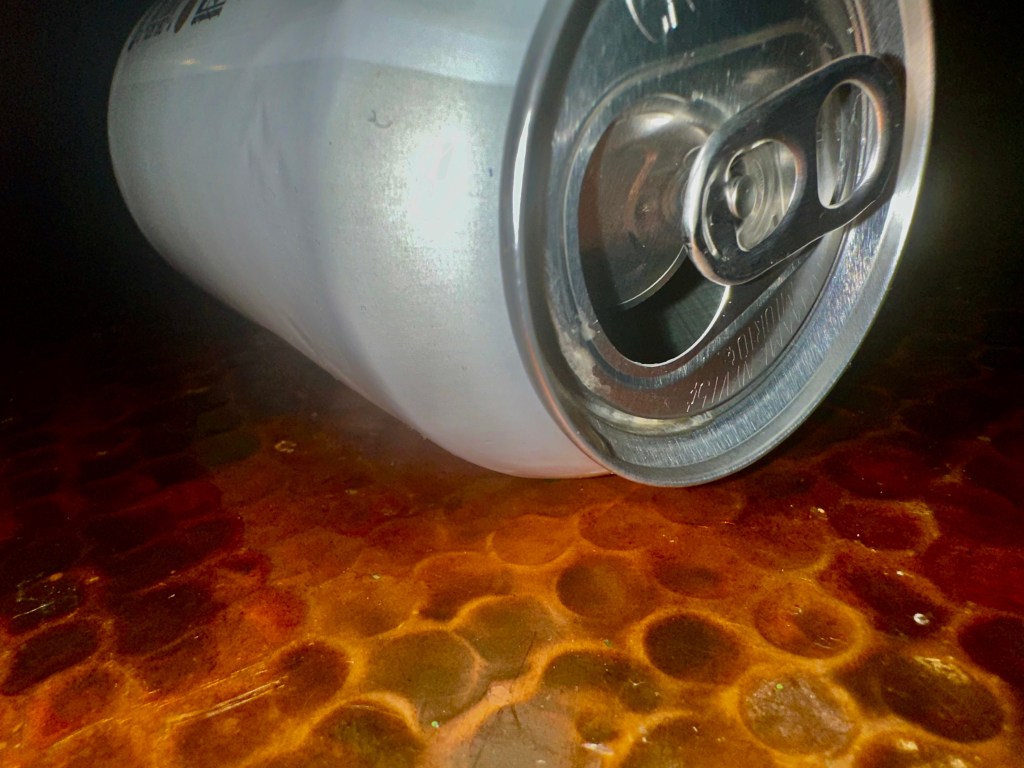
Another small item, the soda can travels with a person as a moment of refreshment, comfort, and familiarity. Whether carried from home, work, or school, it provides a quick pause in the day, offering a familiar taste that can boost energy, signal a short break, or simply add a little enjoyment amid a busy routine.
Beyond its practical purpose, this simple object reflects personal habits, preferences, and the subtle rhythms of daily life. It moves from place to place, fitting into pockets, bags, or desks, and becomes a small but consistent companion in the flow of everyday routines.
Ready For Anything

Sunglasses travel alongside a person throughout the day, offering both practical protection and a personal touch. They move from bag to hand to face, shielding eyes from sunlight, glare, or wind, and providing comfort in outdoor spaces. Beyond their practical function, sunglasses reflect subtle details about routine, preference, and personal style.
They reveal how someone prepares for the day, moves through different environments, and maintains small habits that support comfort and confidence. Carried from one space to another, they quietly accompany other belongings, becoming a familiar and consistent part of the daily rhythm of life.
Time To Go
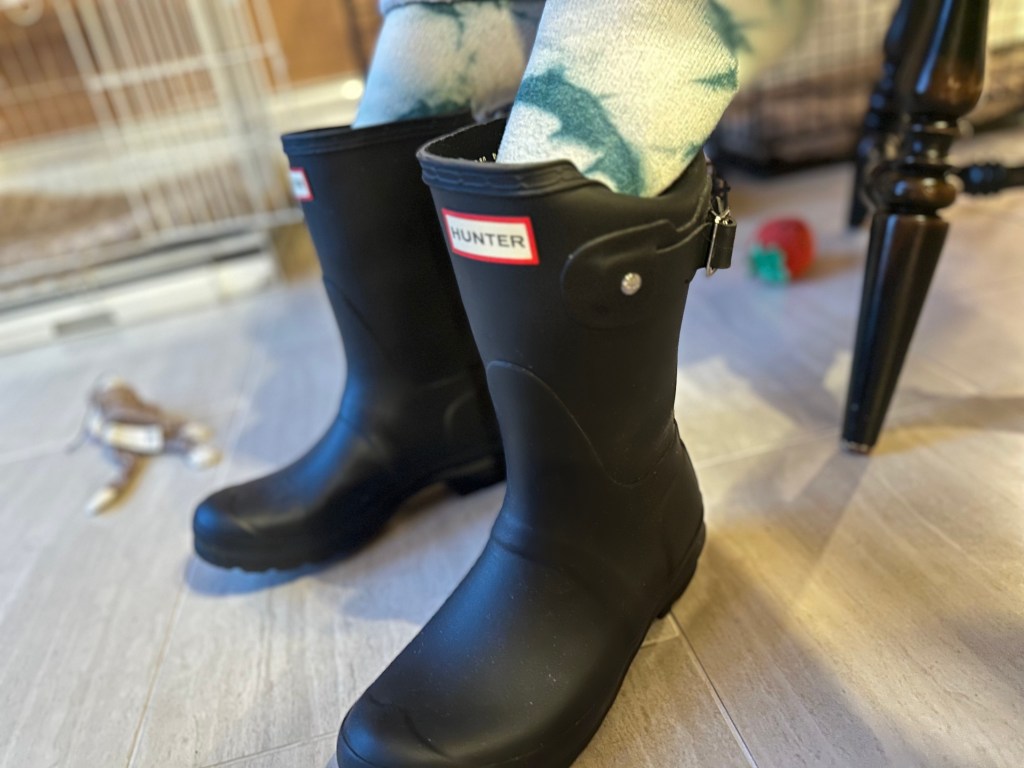
Shoes are the final step before heading out, marking the transition from stillness to movement. Putting them on signals readiness to leave home and step into the day, carrying the person wherever they need to go. They move with the wearer from space to space, supporting activity, travel, and daily routines. This simple act highlights how even ordinary objects are connected to motion, preparation, and the rhythm of everyday life.
Individually, all these items mentioned above might seem ordinary, but together they tell a story about movement, preparation, and the small details that shape how a day unfolds. By observing the belongings that accompany a person, it becomes clear that even the simplest objects can reveal identity, routine, and the flow of everyday life.
Behind The Lens
The process of creating this photo essay began with considering and observing the small objects that travel through a person’s day and thinking about how they tell a story without words. Each item was photographed in multiple ways to capture its movement, purpose, and presence. Shots were taken from above, from low angles on the floor, across the room, and close-up to show texture and detail. Some images highlight the objects in use, like slipping on shoes, while most of the others focus on how they rest when not in motion.
Decisions about composition, framing, and perspective were influenced by Amplifinp, which emphasizes using contrast to make key elements stand out, focus to guide viewers’ attention, and careful composition to balance objects in the frame. These strategies helped make ordinary objects feel visually engaging and meaningful.
Other considerations came from Simply Psychology, which explains that human perception is shaped by context and attention. This inspired close-ups to highlight texture, overhead shots for clarity, and wide or low angles to add perspective. HubSpot highlighted how images can communicate ideas and evoke emotion without words, which guided the selection and sequencing of photos to tell a cohesive story.
Narrative structure was intentionally designed to follow principles similar to those described by Tim Stout. Using his three-act structure as a guide, the essay begins by introducing the objects, moves through moments of use and interaction, and concludes with items gathered and prepared for the next day.
This approach helped create a natural flow and smoother story progression. In addition, the concept of design fiction influenced the project, showing how storytelling can add layers of meaning and context to everyday items, turning ordinary belongings into a visual narrative that reflects routine, identity, and movement.
Lastly, color and composition were considered carefully throughout the project. WordStream explains that colors affect attention and emotion, so bright objects draw focus while neutral backgrounds provide clarity and balance. Along with natural light, depth of field, and flat-lay shots, these choices helped highlight relationships between objects and the patterns of their movement. Medium reinforced the importance of thoughtfully selecting and sequencing images to create a cohesive and engaging photo narrative.
The Story They Tell
Together, these everyday objects tell a story about movement, routine, and the small details that shape daily life. From the bag that carries everything to the shoes that signal the start of motion, each item reflects habits, preferences, and the ways a person navigates different spaces. Individually, the objects may seem ordinary, but seen as a group, they reveal a rhythm and order that quietly guide the day.
By observing what travels alongside a person, it becomes clear how much meaning can be found in the things we carry, and how these small belongings help define both movement and identity throughout everyday life.
References
AmplifinP. (2022). 4 principles of visual storytelling. AmplifinP. https://amplifinp.com/blog/4-principles-visual-storytelling/ (Module 1)
Common Edge. (2022). The reality of design fiction: How storytelling can save the world. https://commonedge.org/the-reality-of-design-fiction-how-storytelling-can-save-the-world/ (Module 2)
HubSpot. (2022). 21 examples of visual storytelling in marketing. HubSpot. https://blog.hubspot.com/marketing/visual-storytelling-examples (Module 1)
Medium. (2025). Photo narratives. Medium. https://medium.com/learning-journalism-tech/photo-narratives-d77b812f99dd (Module 5)
Simply Psychology. (2025). Perception theories. https://www.simplypsychology.org/perception-theories.html (Module 3)
Stout, T. (2011, September 3). How to use 3 act story structure in comic strips. Tim Stout. https://timstout.wordpress.com/2011/09/03/how-to-use-3-act-story-structure-in-comic-strips/ (Module 2)
WordStream. (2022, July 12). Color psychology in marketing. WordStream. https://www.wordstream.com/blog/ws/2022/07/12/color-psychology-marketing (Module 3)
 A Master in the Making
Leave a comment