
Introduction
You’ve probably done this before.
You see a post about something important, you like it, maybe repost it to your story, and then keep scrolling. In the moment, it feels like you did something that matters. But if you really think about it, did anything actually change?
That question is at the center of what we call social media activism, and it is a lot more complicated than it seems.
So What Is Social Media Activism, Really?
Social media activism is exactly what it sounds like: using platforms like Instagram, TikTok, and Twitter to spread awareness, share information, and support causes. It gives people the ability to reach huge audiences instantly, something activism has never really had before.
According to Pew Research Center’s study on public attitudes toward political engagement on social media, about 53% of U.S. adults have engaged in at least one political or social activity on social media in a given year, showing just how central these platforms have become in how people participate in issues today.
But not all of it is as impactful as it feels. A lot of what we see online falls into something called “slacktivism,” a concept widely discussed in media studies that describes low-effort actions which make people feel like they’re helping without actually requiring much from them. Things like liking a post, sharing something to your story, or commenting once and moving on.
These actions aren’t useless, but they usually stop at awareness.
Why It Feels Like You’re Making a Difference
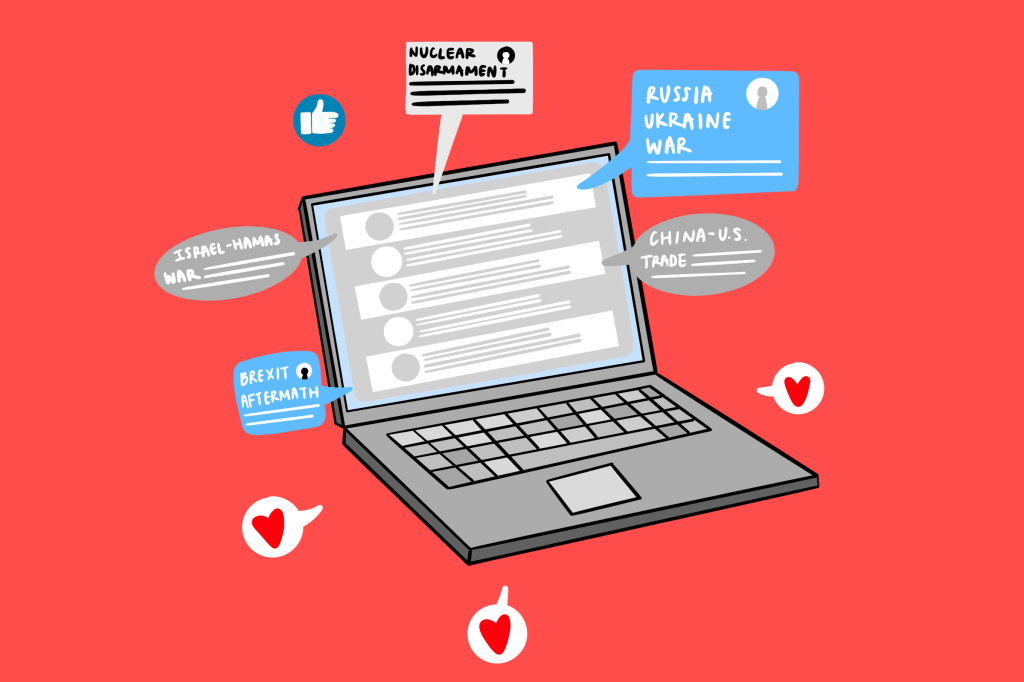
Social media makes everything feel immediate. You can engage with an issue in seconds, and when you see hundreds or thousands of other people doing the same thing, it feels like something big is happening. And sometimes it is.
A 2020 report from Pew Research Center found that about 80% of Americans believe social media is effective for raising awareness about political or social issues, and 77% believe these platforms can help create sustained social movements.
That visibility matters and can be powerful. But awareness alone does not create change.
But Is It Actually Doing Anything
It can, but only if it leads to something more.
The most effective social media activism pushes people to take action outside of their screens. That could mean donating, signing a petition, showing up somewhere, or even just continuing to learn more about the issue.
Without that next step, it becomes more about feeling involved than actually being involved. Some researchers also argue that online engagement often lacks follow through, which limits its real world impact.
Where It Starts to Matter More
Real impact happens when online engagement turns into real world action. Social media works best as a starting point. It introduces people to issues, gives them information, and can motivate them to care.
But it should not stop there.
Even small steps matter. Taking a few extra minutes to read more, share resources with context, or support a cause in a tangible way can make a difference.
My Honest Take
I have definitely been guilty of this too. It is easy to repost something and feel like you did your part, especially when everyone else is doing the same thing.
But I have started to realize that social media should be a starting point, not the end. If it is really going to be used for good, it has to push people to do more than just scroll and tap.
Even small actions matter, but there has to be some kind of action.
So What Happens After the Scroll
Social media activism is not automatically good or bad. It depends on how people use it.
It has the potential to create real change, but only if people move beyond awareness and actually do something with the information they are given. Awareness is just the first step.
The real question is what happens after you scroll.
The Bottom Line
Next time you see a post about something you care about, ask yourself
What is one thing I can actually do about this?
 A Master in the Making
Leave a comment