
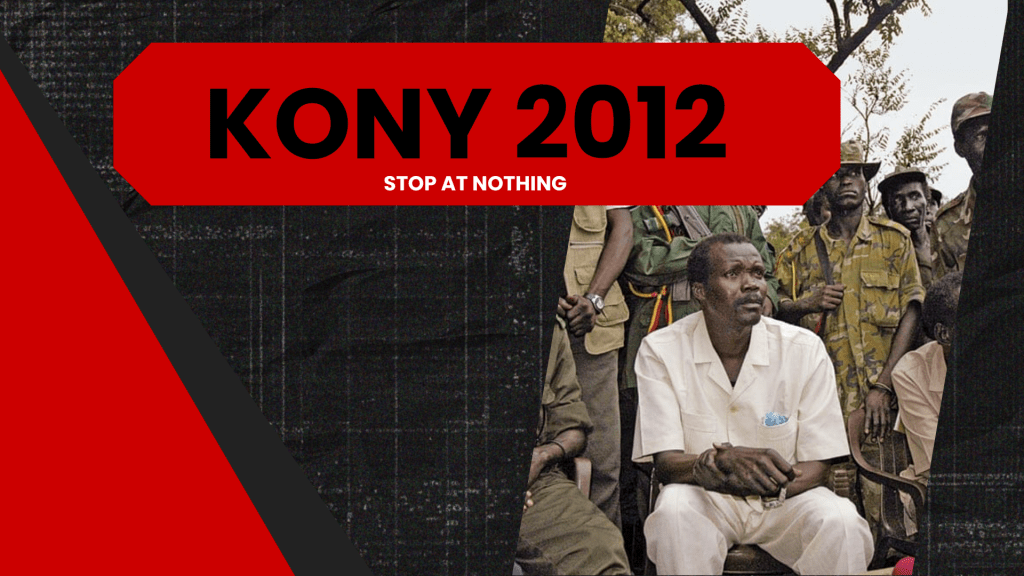
This week, I discovered who Joseph Kony is for the first time, and I genuinely cannot believe he was never on my radar before. I went into the Kony 2012 documentary expecting to learn something new, but I didn’t expect to feel as much as I did. It’s one of those videos where you just sit there after it ends, trying to process everything you watched. And yes, I did cry a little, which I was absolutely not planning on.
More than anything, it reminded me how quickly the media can take something completely unfamiliar and make it feel urgent and real.
Quick Context: Who is Joseph Kony?
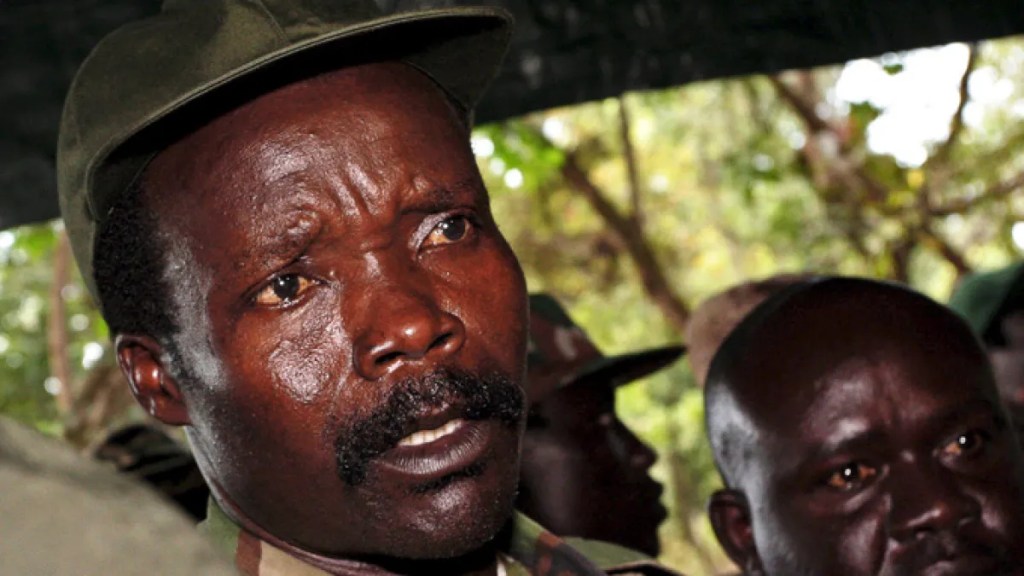
For those of you, like me, who have never previously heard about Joseph Kony before, let me fill you in real quick. Kony is the leader of the Lord’s Resistance Army (LRA), a group that became known for abducting children and forcing them into violence. Boys were turned into child soldiers, while girls were subjected to abuse and forced labor.
He has been wanted by the International Criminal Court since 2005 for crimes against humanity, but he has never been captured. Learning this while watching made everything feel more real and a lot harder to ignore.
And if you’re at all curious about where Kony is today, the short answer is that nobody really knows. He’s believed to still be alive and in hiding somewhere in Central Africa, but his forces have shrunk dramatically, and he hasn’t been publicly seen in years. The ICC warrant for his arrest, issued back in 2005, still stands, meaning he remains one of the world’s most wanted war criminals, and the man at the center of one of the internet’s biggest moments is still out there, unpunished.
But Seriously, How Did I Not Know About This?
I’ll be honest. I was not expecting it to hit me the way it did.
Within the first few minutes, I had that uncomfortable realization of how much I didn’t know. I never knew about any of the heinous things he was doing to innocent children in Africa, and suddenly I was trying to process it all at once. It felt heavy and, honestly, a little overwhelming, in a way that stayed with me after the video ended.
Why This Campaign Still Works Years Later
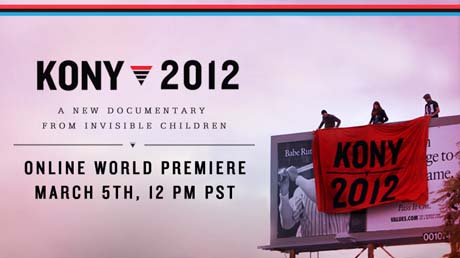
What makes Kony 2012 so interesting is not just the content itself, but how it was designed to spread. Invisible Children built the campaign around something most viral content gets wrong: they didn’t just want views, they wanted people to do something after watching. It told a clear story, built a real emotional connection, and then gave viewers somewhere to put that feeling.
It wasn’t just about watching a video. It was about sharing it, talking about it, and feeling like you were part of something bigger. The message was simple enough to pass along, which is a big part of why it moved so fast across platforms.
Social Media is Good, But Not Easy
This campaign showed just how powerful social media can be when it gets behind something people had never even heard of. It created a global conversation almost overnight and made people genuinely feel like they could make a difference from wherever they were sitting.
But watching it now also made me think about how different things feel today. Social media is so much more fragmented. Instead of one clear message, there are competing opinions, debates, and counter-narratives all happening at the same time.
Those conversations can be valuable, but they also make it a lot harder to build the kind of momentum Kony 2012 had.
What we can take from this
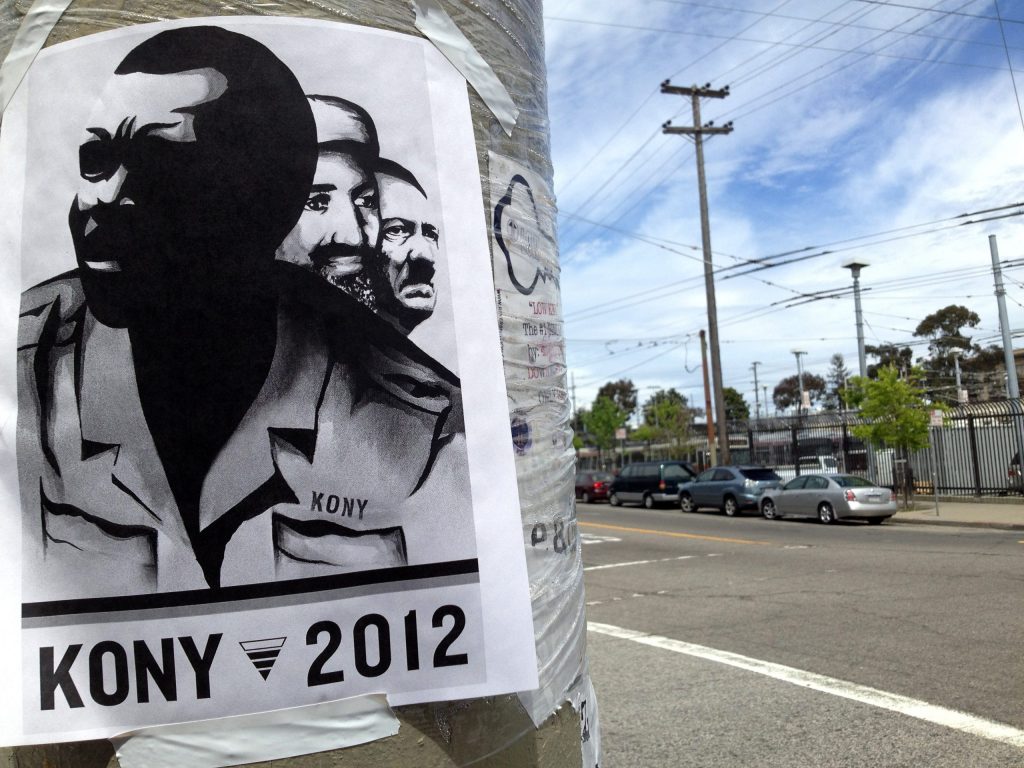
Kony 2012 proves that awareness on its own is not enough. What made it land so hard was the combination of emotion and direction. It made people care, and then immediately showed them what to do next.
If social media is going to be used to create real change, that is the part that matters most. A clear message, a strong emotional connection, and a simple way to turn attention into action. That structure is what separates something that moves people from something that just gets watched and forgotten.
If this got you thinking, I’d love to hear your take. Drop a comment below!
 A Master in the Making
Leave a comment