
You’ve probably seen it play out on your own feed. A protest goes viral, a hashtag takes over, and suddenly millions of people who had never heard of it are now talking about it. It feels powerful. And honestly, sometimes it is.
But is social media actually capable of toppling governments and righting wrongs? It has definitely helped create the conditions for large-scale collective action in ways that weren’t possible before. Still, it’s not a magical solution to the messiness of political conflict.
After looking at the Arab Spring and social media’s impact, I think the answer is somewhere in the middle, and it’s a lot more complicated than people give it credit for.
When It Works
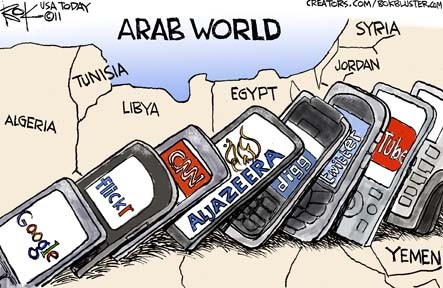
The Arab Spring is often pointed to as one of the clearest examples of social media contributing to real political change. If you’re unfamiliar, I’ll try to keep this long story short. It began in Tunisia in 2011, when a man named Mohamed Bouazizi set himself on fire outside a government building in protest of corruption and limited job opportunities. In the days that followed, protests across Tunisia surged rapidly, and within about a week of his death, the country’s government was overthrown, forcing longtime leader Zine El Abidine Ben Ali to flee. That success became a powerful source of inspiration for other nations in the Middle East facing similar issues with corruption and limited opportunities.
With the help of smartphone cameras and social media, sharing what was happening in Tunisia, protests spread across the Middle East and North Africa. Platforms like Twitter and Facebook played a major role in organizing demonstrations and sharing information in real time. As highlighted in a History Channel documentary, technology helped spark a ripple effect that quickly gained momentum across the region.
When It Doesn’t
But here’s the thing. Social media can start a conversation, but it cannot finish one. The Arab Spring led to real government changes in some countries, but also to civil wars, crackdowns, and instability in others. According to Bruns, Highfield, and Burgess in their 2013 study published in American Behavioral Scientist, even when Twitter networks crossed borders and connected people, that momentum did not always hold up once the cameras turned away.
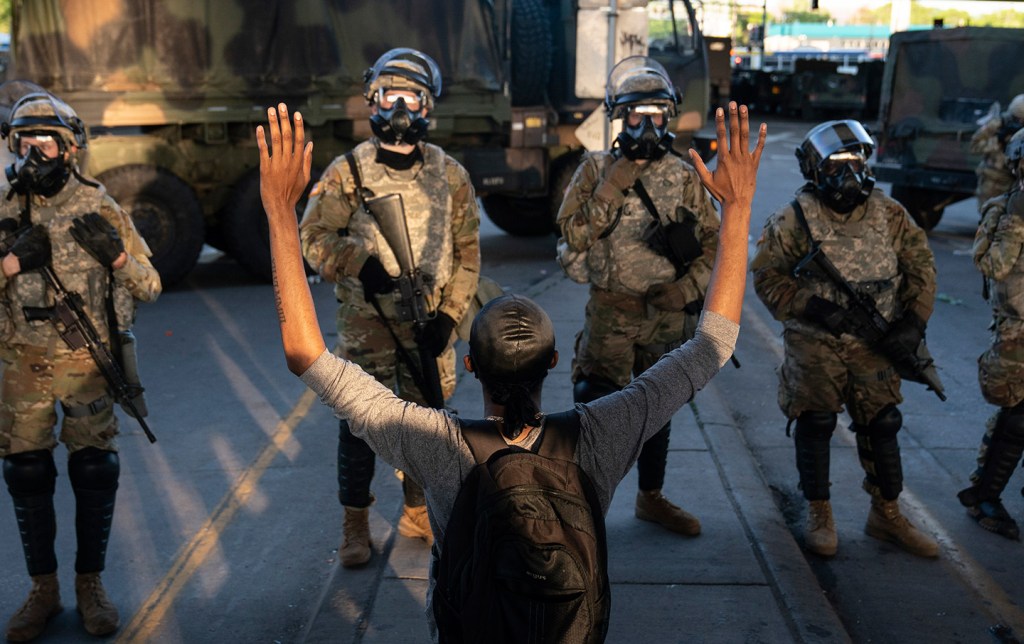
And showing up in person comes with real risk. The political climate in the U.S. has made that clear. Research from the Armed Conflict Location & Event Data Project found that nearly 28% of U.S. demonstrations were met with government force. When people watch someone get tear-gassed for holding a sign, it’s not hard to understand why sharing a post from their couch feels safer. Fear is a real barrier, and powerful governments know that.
No hashtag has ever written a law. And a repost cannot replace the people willing to show up anyway.
So What Does That Mean?
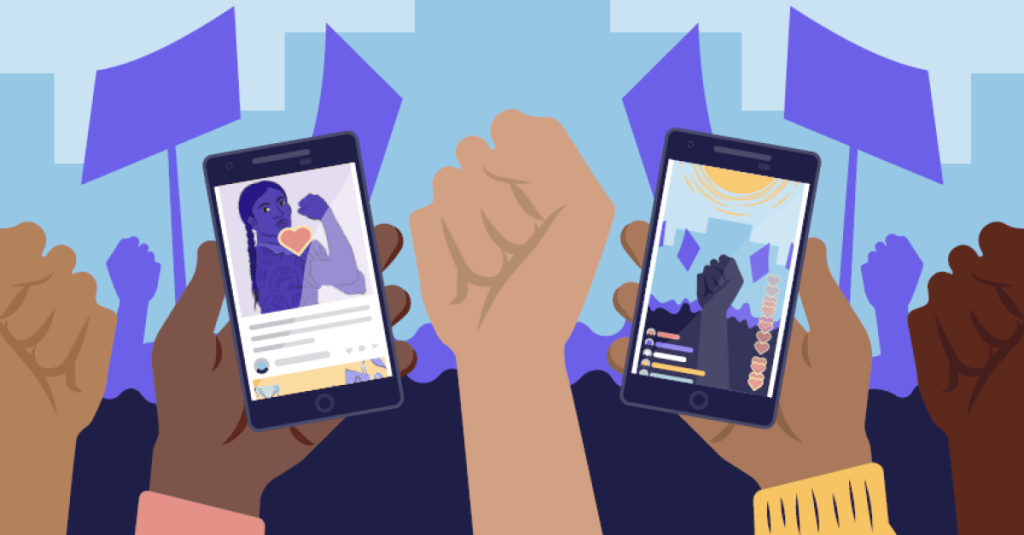
Social media is a tool. A loud, fast tool that can absolutely push movements forward and hold power to account. But it is not a solution by itself. The most meaningful change still happens when online momentum meets real-world action.
So next time you share a post and feel like you did something, ask yourself what comes next. Because that part is still on us…
 A Master in the Making
Leave a comment